
Should You Trust Your Feelings? | The Rhythm of Worship
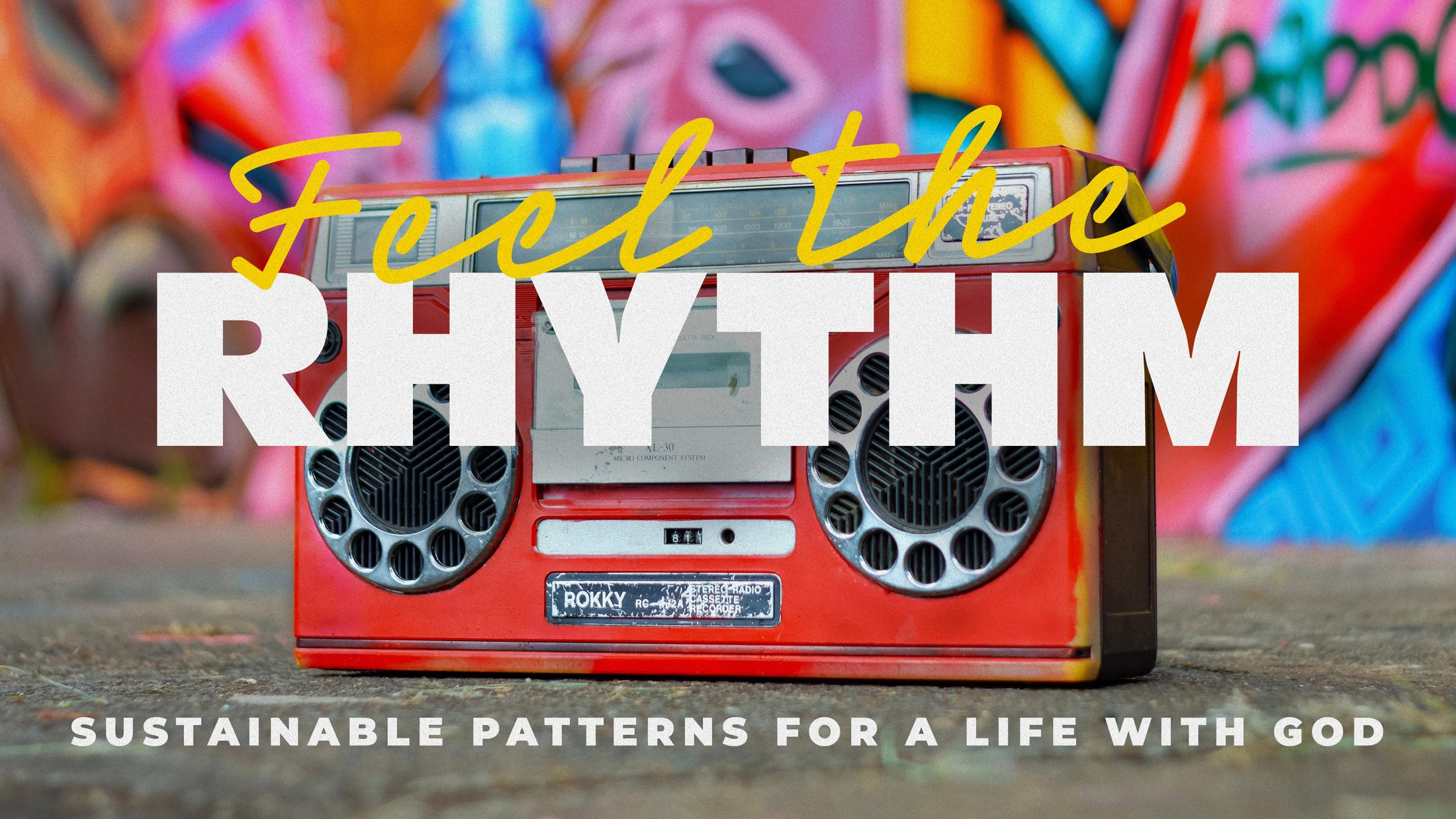
Life has a rhythm.
Every musician knows the importance of staying on beat. That’s why bands often use a click track—a steady rhythm played through their in-ear monitors that keeps everyone together even when distractions come. If the click track disappears, it’s surprisingly easy to drift off tempo.
In many ways, spiritual rhythms work the same way. Reading Scripture, praying, gathering with other believers, and worshiping aren’t just religious habits; they’re the rhythms that keep us in step with the Holy Spirit. They help us hear God’s voice, receive His wisdom, and remain anchored when life becomes overwhelming.
If we’re honest, most of us have had weeks where life felt hectic. Busy schedules, demanding jobs, family responsibilities, unexpected setbacks, financial pressures, health concerns, and difficult relationships can leave us exhausted. We don’t simply need spiritual rhythms when life is calm—we desperately need them when life is hard. These rhythms aren’t accessories to our relationship with God. They’re essential.
Acts 16 gives us one of the clearest pictures of this truth. Paul and Silas had been faithfully doing what God had called them to do when everything suddenly fell apart. They were falsely accused, severely beaten, publicly humiliated, and thrown into prison. Their feet were fastened in stocks deep inside the inner cell. If anyone had legitimate reasons to complain, question God, or walk away, it was them.
Yet Scripture tells us something remarkable:
“About midnight Paul and Silas were praying and singing hymns to God, and the other prisoners were listening to them.”
Why? Because they understood something that transformed the way they viewed every circumstance.
We worship because God is worthy of it.
Their worship wasn’t dependent on whether life was going well. It wasn’t determined by their comfort, their emotions, or their circumstances. Their worship flowed from the unchanging character of God.
Every one of us was spiritually dead apart from Christ. We didn’t earn God’s grace. We didn’t deserve His mercy. Yet because of His incredible love, He rescued us through Jesus. That reality doesn’t change when life becomes painful, which means God’s worthiness doesn’t change either.
Paul and Silas didn’t suddenly decide to worship in prison. Worship came naturally because it had already become a rhythm of their lives. Their prison simply revealed what had been cultivated long before they ever entered it.
That’s why worship isn’t something we do only when life is good.
Worship is a rhythm that sustains us.
Developing that rhythm requires sacrifice. Every healthy relationship requires intentional investment, and our relationship with God is no different. We naturally make time for the things we value. We schedule work, vacations, sports, hobbies, and entertainment. Worship deserves that same intentionality because what we consistently prioritize reveals what we truly value.
The prophet Daniel modeled this kind of consistency. His enemies knew exactly when they would find him praying because prayer had become such a regular rhythm in his life. Worship can become that kind of rhythm for us as well. Whether we’re driving to work, preparing dinner, walking the neighborhood, exercising, mowing the lawn, or taking our kids to practice, we can continually turn our hearts toward God. The more worship fills our ordinary days, the more naturally it overflows during life’s extraordinary challenges.
Worship isn’t a moment. It’s a lifestyle.
But establishing a rhythm of worship also requires vulnerability. God has never been looking for polished performances. He doesn’t need elaborate stages, perfect voices, or flawless musicianship. He desires hearts that honestly come before Him.
The truth is, every one of us experiences difficult emotions. We know what it feels like to be tired, anxious, angry, discouraged, afraid, betrayed, grieving, overwhelmed, or uncertain about the future. Those feelings are real, and they matter. God invites us to bring every one of them into His presence.
At the same time, our feelings cannot become the leaders of our lives.
Biblical worship doesn’t deny our pain. It simply refuses to allow our pain to have the final word. Worship reminds our hearts what is true even when our emotions fluctuate. It declares that Christ is still our firm foundation, that God’s faithfulness remains constant, and that the joy of the Lord is still our strength.
The real test of our spiritual rhythms isn’t whether we worship when life is easy. The true test comes when we have every reason not to worship—and we choose to worship anyway.
Paul’s life after Acts 16 certainly didn’t become easier. He endured repeated beatings, imprisonment, shipwrecks, hunger, danger, rejection, and constant hardship for the sake of the gospel. Yet near the end of his life he could still confidently write:
2 Timothy 4:17-18--“But the Lord stood at my side and gave me strength… The Lord will rescue me from every evil attack and will bring me safely to his heavenly kingdom. To him be glory forever and ever. Amen.”
Paul’s circumstances changed again and again.
God’s worthiness never did.
David expressed that same longing in Psalm 27 when he wrote, “One thing I ask from the Lord… that I may dwell in the house of the Lord all the days of my life, to gaze on the beauty of the Lord.”
That is ultimately what worship produces. More than singing songs, worship cultivates a heart that continually delights in God’s presence.
Storms will come. Life will be difficult. We live in a broken world. But when worship becomes a rhythm instead of merely a reaction, it anchors us to the God who never changes.