
Guardians Of The Galaxy: Family Is More Than Bloodlines
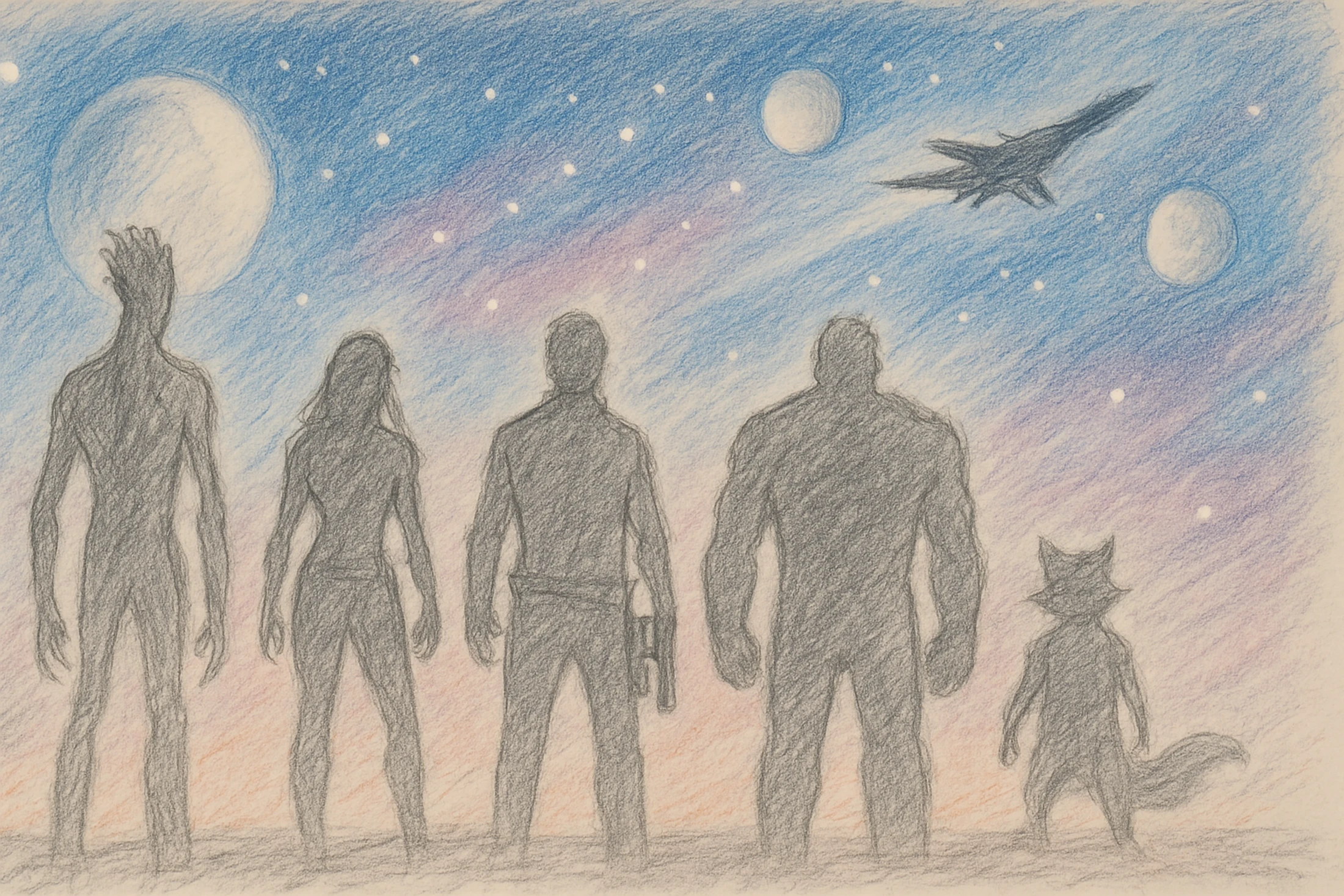
When you think of family, you probably picture people who share the same last name or sit around the same dinner table. But what if family isn’t just about bloodlines—what if it’s about belonging?
That’s exactly what we see in Guardians of the Galaxy. A thief, an assassin, a bounty hunter, a vengeful warrior, and even a talking tree—none of them look like family. Each one has been orphaned in some way—Peter Quill loses his mom, Gamora is torn from her home, Rocket is experimented on, Drax’s family is murdered, and Groot is the last of his kind. They have nothing in common except their brokenness.
Yet together, they discover something powerful:
Family is the place where you are chosen, accepted, and loved.
By the end of the film, this unlikely band of misfits has become a family. Not because they share DNA, but because they chose to belong to one another. They discover that family is more than bloodlines—it’s about belonging.
And that’s the same truth Jesus reveals after His resurrection…
In John 20:17, He tells Mary Magdalene, “Go to my brothers and say to them, ‘I am ascending to my Father and your Father, to my God and your God.’” For the first time, Jesus calls His disciples brothers. No longer just followers or servants, they are now part of a new family—God’s family.
Belonging to God’s family changes everything. You’re no longer an outsider. You’re no longer defined by what you’ve lost or by where you’ve come from. Through Jesus, you are adopted as a son or daughter of God, and you gain a whole new family in the process—brothers and sisters in Christ.
I recently sat in a café with a young man who was right on the verge of following Jesus. Over Cuban espressos, he opened up about his biggest fear: “What if I decide to follow Jesus, but then I mess up later? Would God still want a relationship with me? Would I still be accepted—welcomed, invited, chosen? Could I still be part of God’s family?”
His worry was simple but profound: that God’s heart toward him might change if he failed.