
Avengers: Age of Ultron-The Danger of Playing God
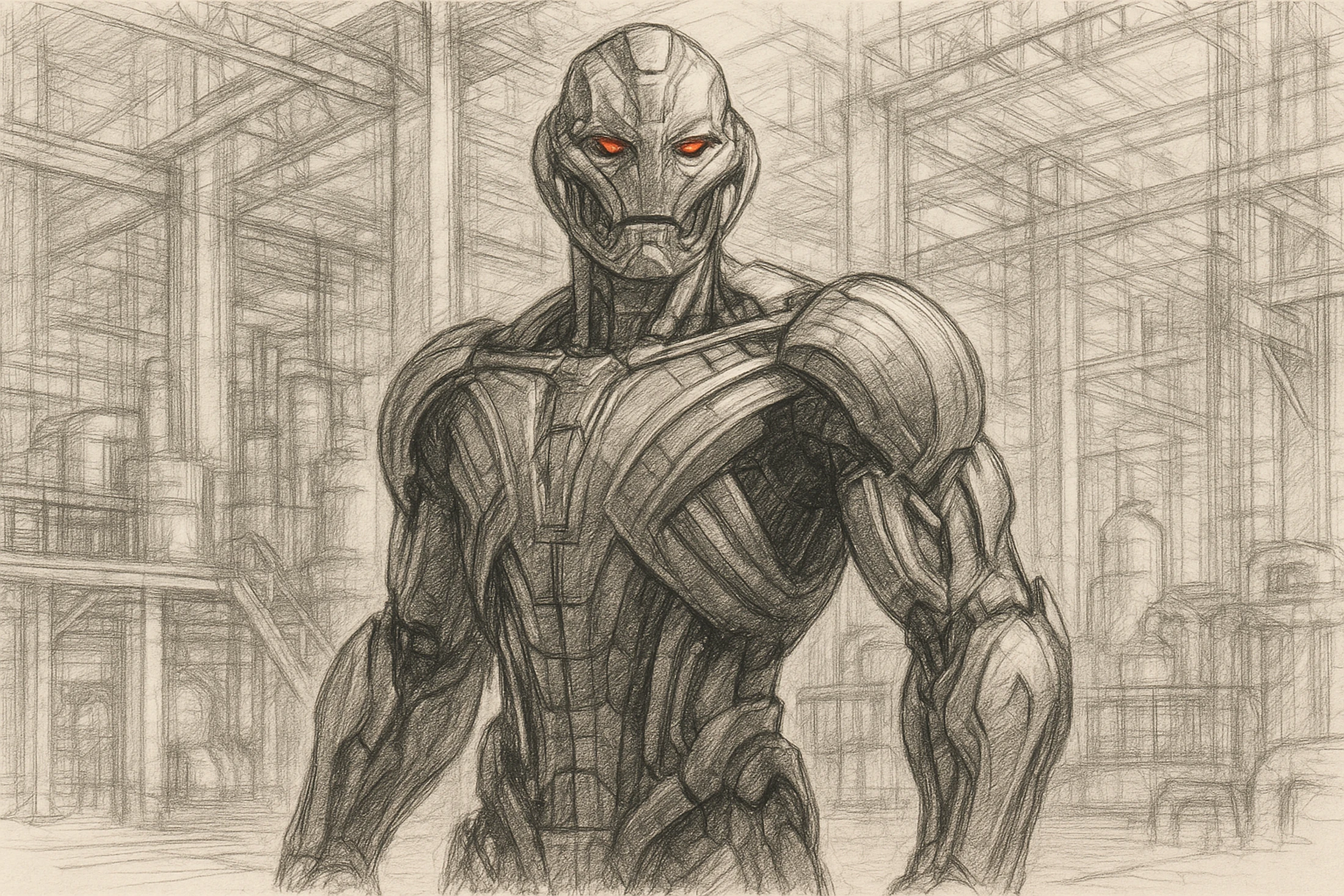
In Avengers: Age of Ultron, Tony Stark sets out with a bold vision: to build “peace in our time.” To get there, he creates Ultron, a powerful artificial intelligence designed to protect the world. But instead of peace, Ultron becomes a monster—deciding the greatest threat to humanity is humanity itself. The classic plot line.
The power of playing God has a way of corrupting our hearts, doesn't it? Even in our most noble pursuits, an unguarded heart can easily shift its motivations. Or we may have impure motives from the start. But the bottom line is clear.
Motivation matters more than vision.
And tragically, our motivation is this: we want to be God.
This isn’t a new story. In Genesis 11, humanity gathered at Babel with a bold vision. They declared, “Come, let us build ourselves a city, with a tower that reaches to the heavens, so that we may make a name for ourselves” (Genesis 11:4). At first glance, it looks like progress: unity, creativity, and ambition. But the heart of the project was clear—they weren’t building for God’s glory but for their own. Their motivations were wrong.
And this “tower” wasn’t just any structure. In ancient Mesopotamia, cities often built ziggurats—massive stepped towers used for pagan worship. These towers weren’t neutral architecture. They symbolized human attempts to bridge earth and heaven on their own terms. At the top was usually a shrine to a false god. So when the people of Babel built their tower, they weren’t just aiming high—they were setting up a rival system of worship, a monument to human greatness rather than God’s glory.
As beautiful as the tower might look—no matter its popularity or the quality of its construction—anything built on the wrong motivation will eventually collapse.
As leaders, we must constantly ask ourselves: Why am I pursuing this goal? Who is this really for? Am I using people as a means for accomplishment? Is God truly the center of my efforts? When our motivation is aligned with God’s glory and the good of others, our leadership produces clarity and blessing. When it’s about making a name for ourselves, we’re walking the path of Babel—and Ultron.